UseDesk
 UseDesk Integration
Connect the Cavuer AI agent to UseDesk and automate your customer support 24/7 — from the first message to ticket resolution.
 Quick Start
Get your agent up and running in three steps.
Step 1 — Create an API Channel in UseDesk
Before creating the agent, set up an API channel in UseDesk:
- Go to Channels → Add Channel → select API
- Save the channel and open its settings
- Copy the App ID and Secret Key (this is the API key)
-
In the Redirect URL field, enter:
https://api.cavuer.com/webhooks/usedesk/App ID -
Specify which channel the API should monitor
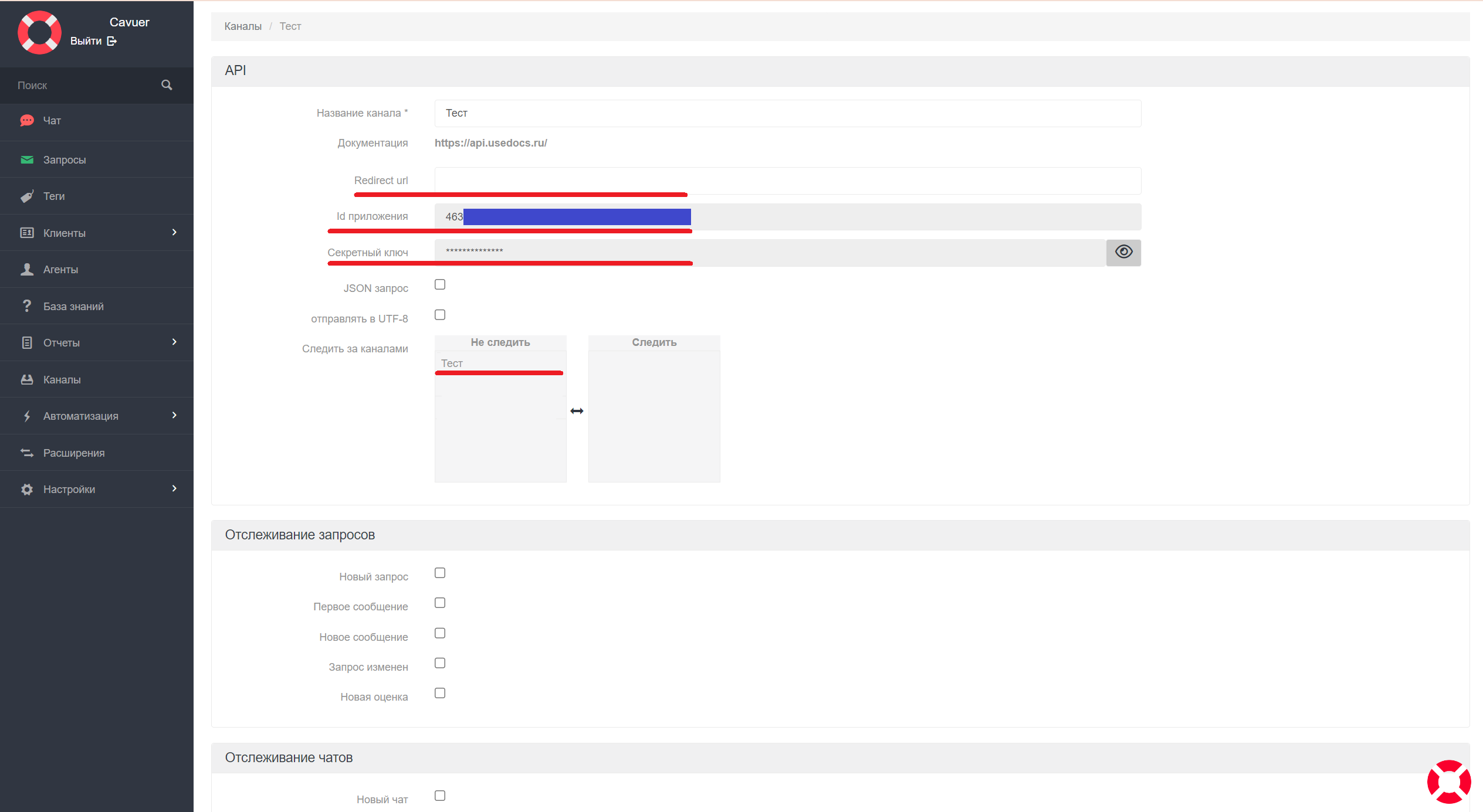
In the "Request Tracking" and "Chat Tracking" fields, select the following options: for "Request Tracking" (New request, First message, New message); for "Chat Tracking" (New chat, New message).
Step 2 — Create a Agent in Cavuer
- Sign up at console.cavuer.com
-
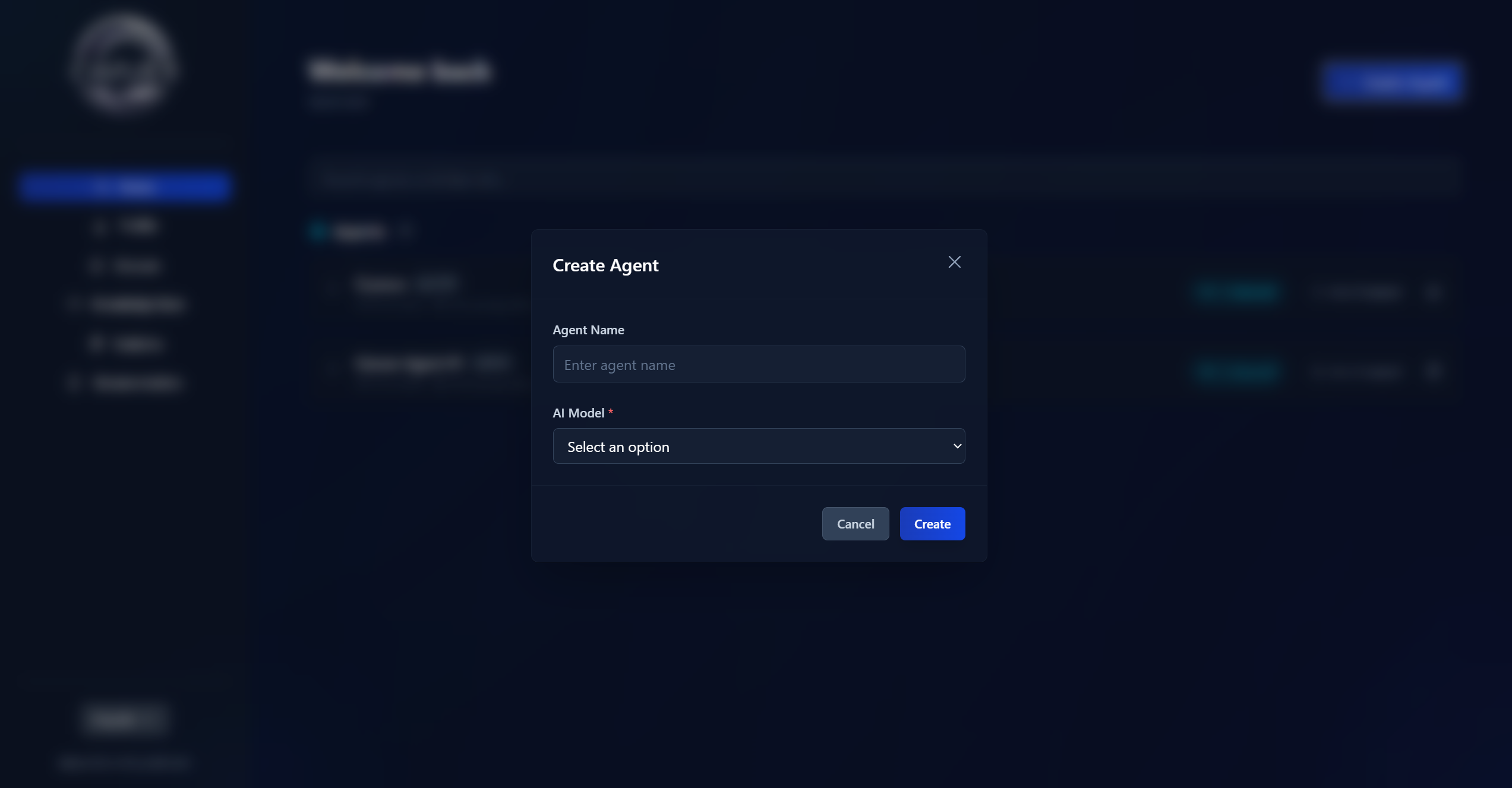
Create an agent. Click the "Create Agent" button in the top right corner, set a name, and choose a language model.
-
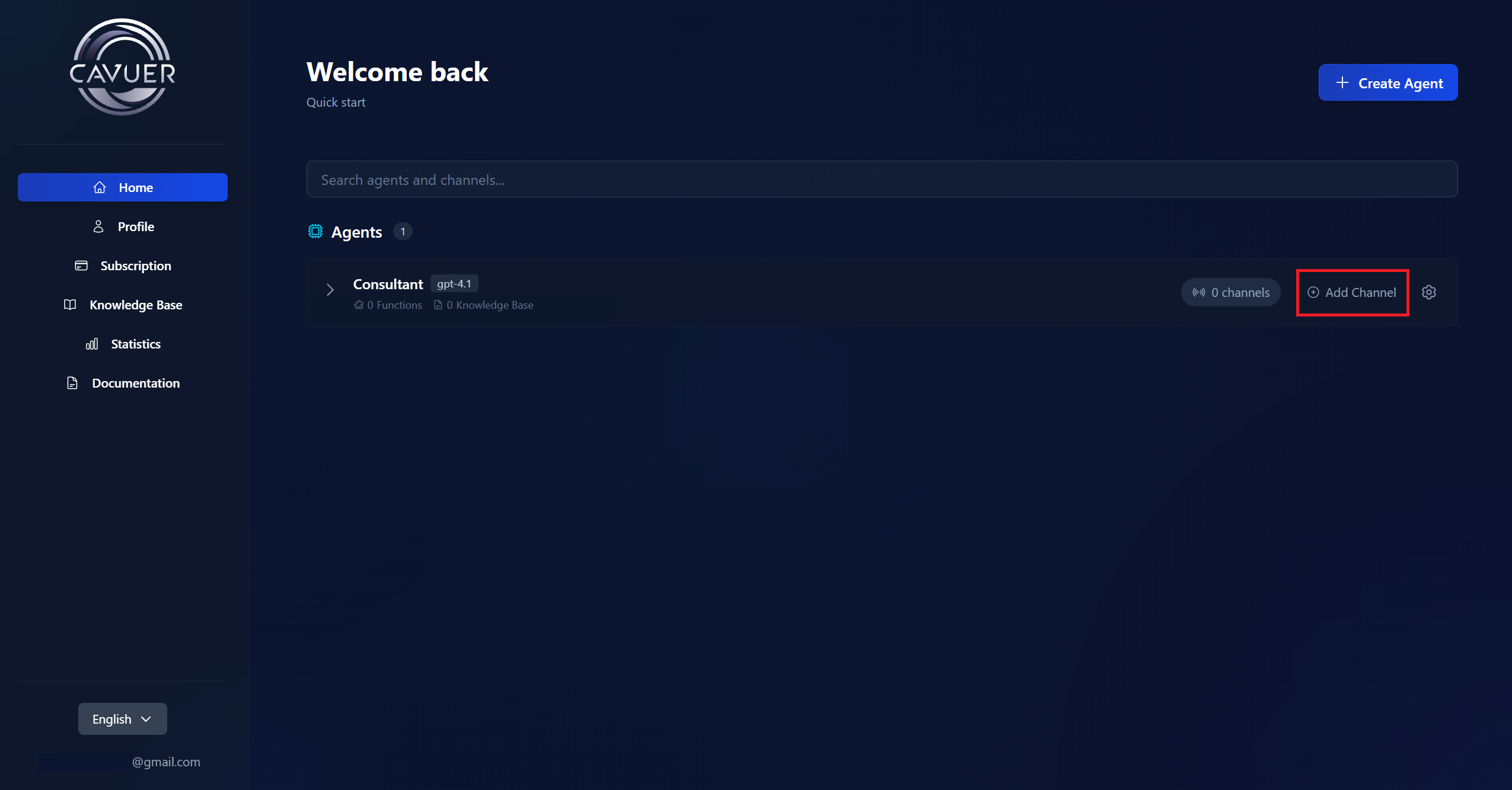
Add a channel to the created agent by clicking Add Channel and select Usedesk.
-
Fill in the fields:
Field Description Email Email of the agent the agent will respond on behalf of App ID Copied from the API channel settings in UseDesk API key Secret key from the API channel settings in UseDesk -
Go to channel Settings → switch the status from
OfftoOn→ Save
Step 3 — Set Up Ticket Assignment
Create a rule to automatically assign tickets to the agent.
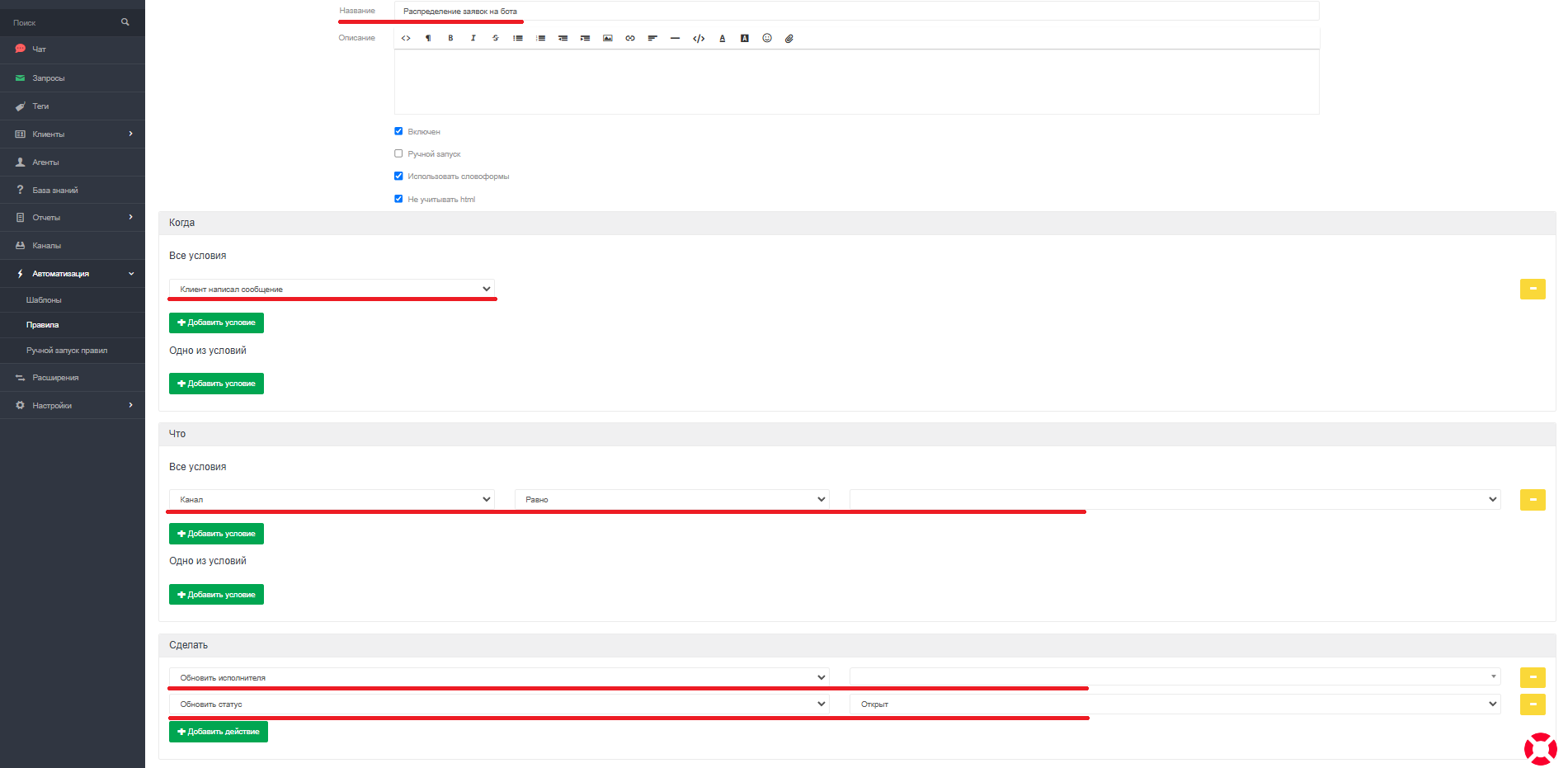
Go to Automation → Rules → Create.
| Parameter | Value |
|---|---|
| When | Customer sent a message |
| What | Channel → Equals → required communication channel |
| Do | Update assignee → select the agent; Update status → Open |
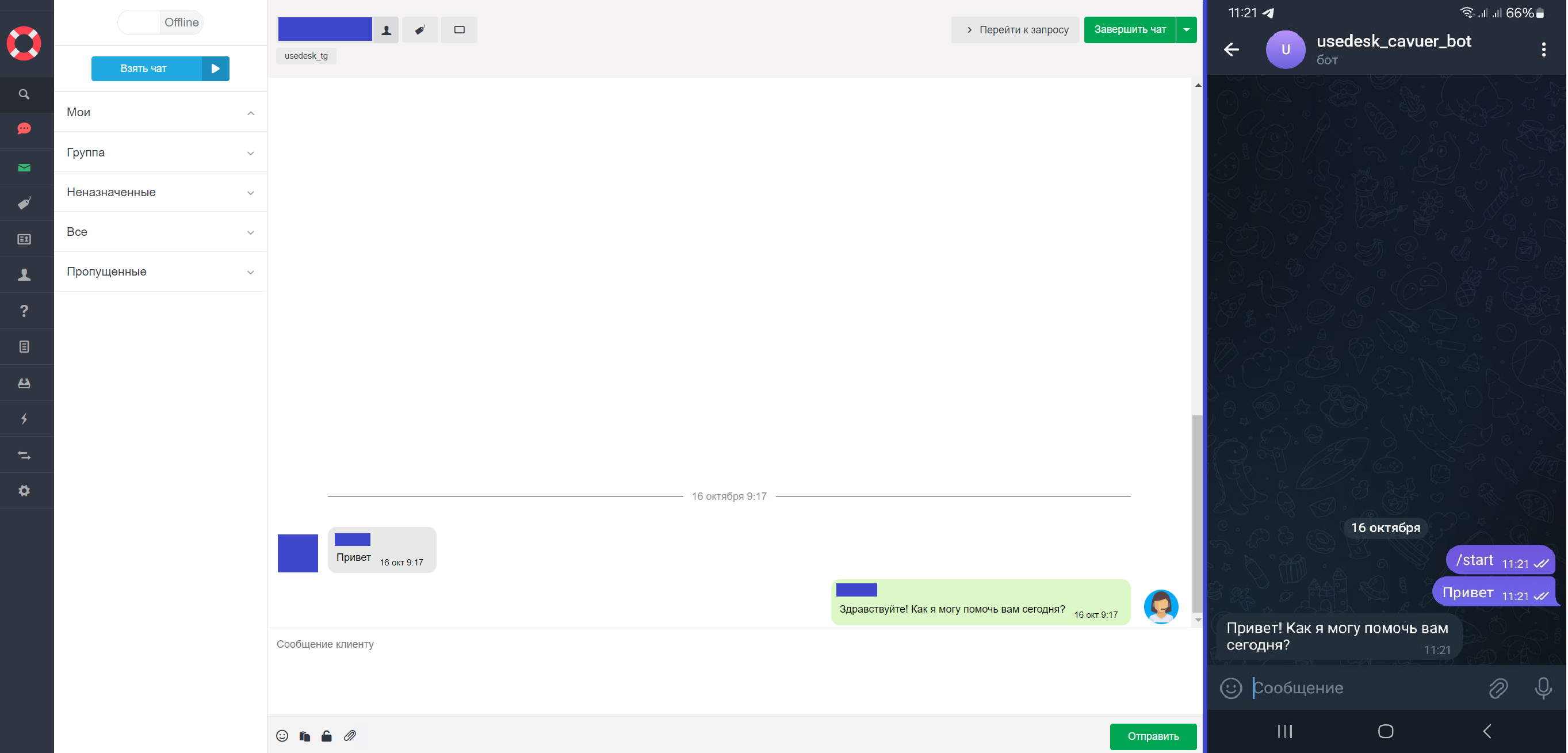
 Done! The agent will now respond to incoming messages in the connected channels.
 Additional Configuration
Configure the Agent in Cavuer
Customize the agent behavior at console.cavuer.com:
| Parameter | Description |
|---|---|
| Name | Rename the agent and channel for convenient use in the Cavuer dashboard |
| Model | Choose the language model |
| Instructions | Agent behavior rules: greeting, company description, operator transfer conditions, language settings. Specify which language the agent should respond in — the user's language or a specific language only |
| Response Delay | Delay before responding (default 0.5s). Useful when customers send multiple messages in a row — the agent will wait and process all messages together in the specified channel them all together |
| Process Images | Allows the agent to view and analyze the content of images |
| Process Audio | Allows the agent to recognize voice messages |
| Knowledge Base | Upload .txt, .pdf, or .docx files and link them in the agent settings |
Full parameter reference: Agent and channel setup
Knowledge Base Setup
The Knowledge Base is the agent's source of information. There are two ways to populate it:
1. Uploading individual articles. Go to the Knowledge Base section → click "Upload Data" → on the "File" or "Text" tab, enter a title and add the content (.pdf, .docx, .txt files or plain text).
2. Creating collections. Click "Collections" → "Add Collection" and choose a source type: Website, Yandex Wiki, or Confluence. Cavuer will automatically crawl and index the pages.
Then, in the agent settings under Knowledge Base, click "Link Data", select the required articles or collections, and save your changes. For more details, see Knowledge Base.
Knowledge Base Best Practices
- Break up large texts — create smaller articles for specific topics (e.g. separate articles for "Delivery", "Payment", "Returns")
- When editing, use the "Replace Source" function — simple text edits don't update the search index
- Remove unnecessary pages from collections — this improves the accuracy of relevant information retrieval
- Link to documentation — upload a brief summary and include a link to the full version
Transfer Tickets to a Human Operator
Set up automatic ticket transfer to a live agent when the agent adds the operator tag.
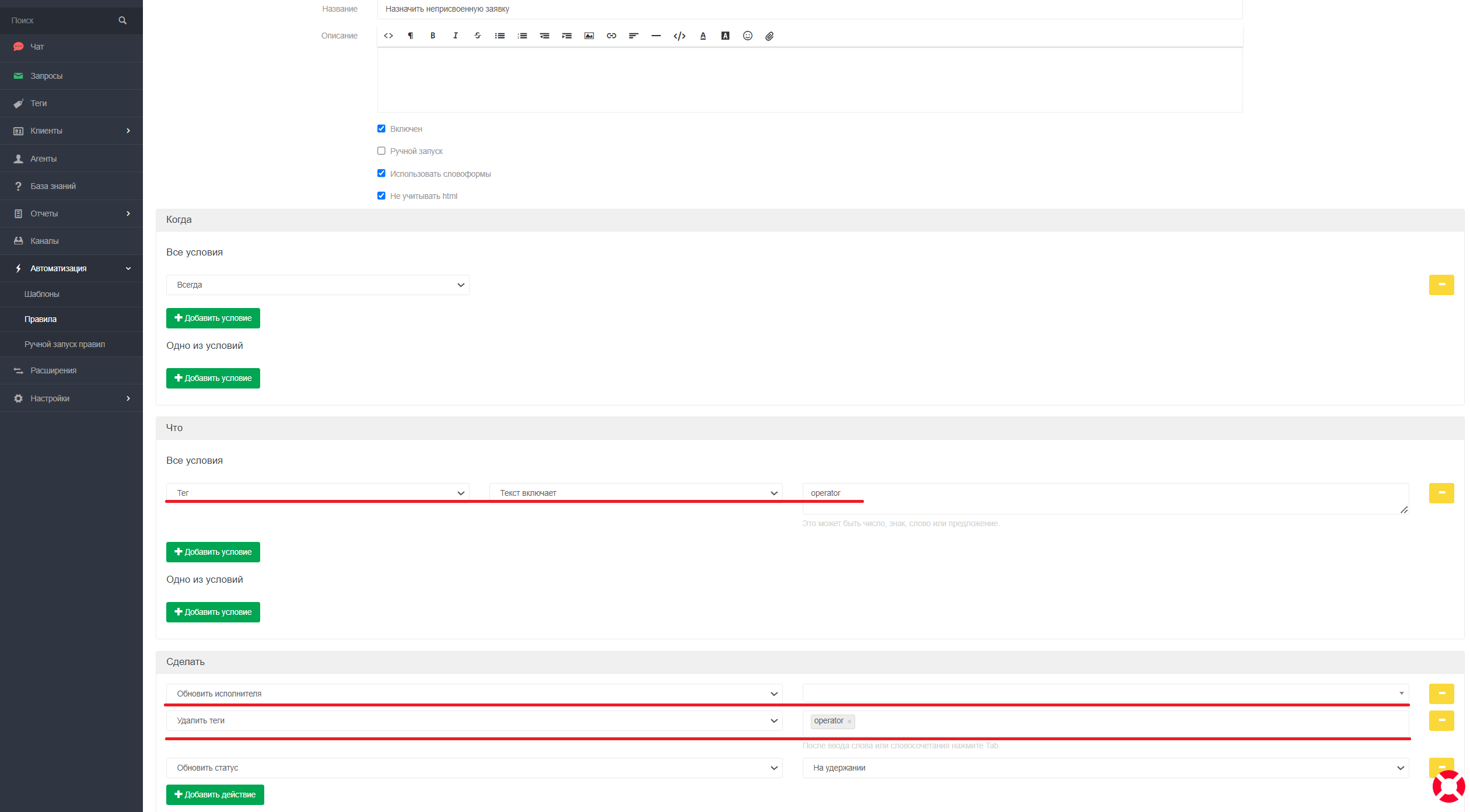
Go to Automation → Rules → Create.
| Parameter | Value |
|---|---|
| When | Always |
| What | Tag → Text includes → operator |
| Do | Update assignee → select the required agents; Remove tags → operator |
Enable the Transfer Function in Agent Settings in Cavuer
Go to the Cavuer dashboard → Agent Settings → Manage Tools → Change Usedesk Ticket Owner → Connect (specify the Tag for subsequent ticket management, e.g. operator)
Learn more about connecting functions in this article
Add extra conditions and actions as needed — for example, assigning to a specific agent group based on the channel.
Need Help?
If you have any questions about configuring your agent or connecting a channel, please contact our support team.